
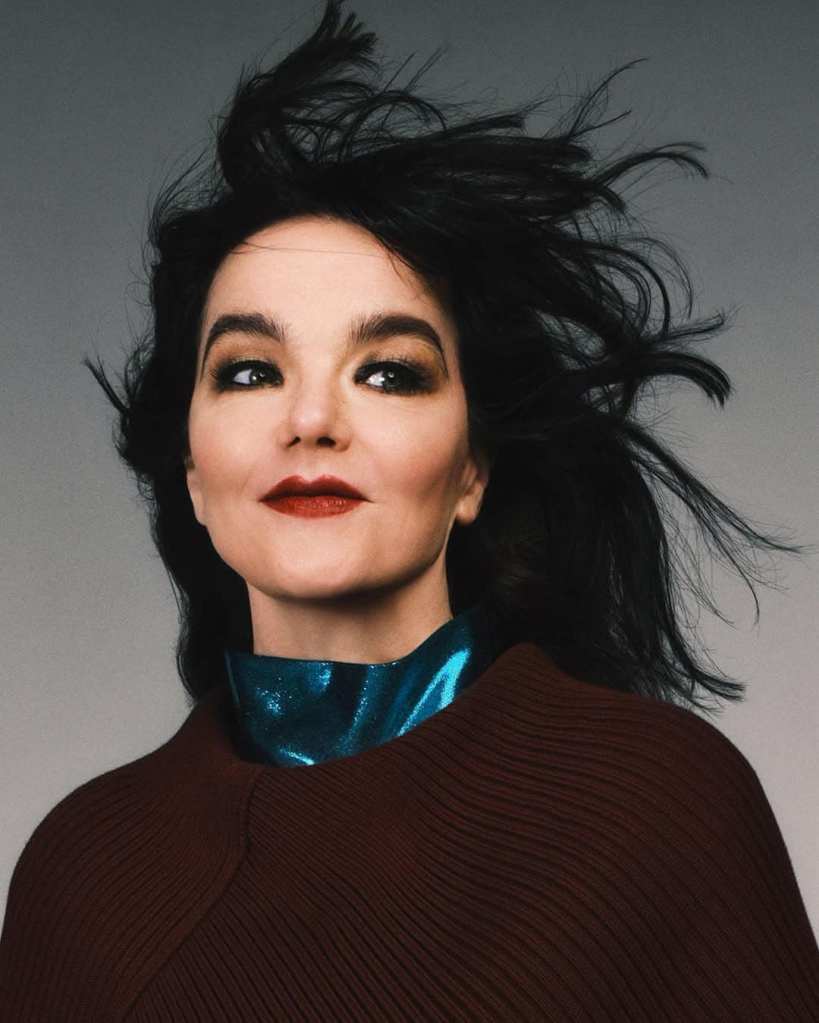

RECENTLY, AN ICELANDIC SINGER by the name of Björk Guðmundsdóttir turned 60. Her birthday is the day after mine, which is why I know. We’re similar in that way, although she is 14 years older than I am. When I appeared in this world, she was already out in the streets of Reykjavik partying with other young Icelandic punks. When I turned 14, she released her debut solo album, which was named … Debut.
I’ve always felt that we were from the same generation, only that she is from the older part of it and I am from its last dregs. Which means that anything that happens to her will eventually find its way to me.
If Björk can turn 60, I might be headed for the same kind of fate.
There are plenty who have recently surpassed 60. Keanu Reeves is already 61. Brad Pitt is still, as of my writing this, 61. Johnny Depp just turned 62. How can it be? I think. Johnny Depp could retire soon? But he didn’t he used to be youthfulness itself?
For my generation, the stars of the golden sixties have always been old. They always belonged to another time. Mick Jagger has always been old. Even if he is a bit timeless, whether he’s 46 or 82 (this summer, Jagger will turn 83). He better be older than me, because I just turned 46!
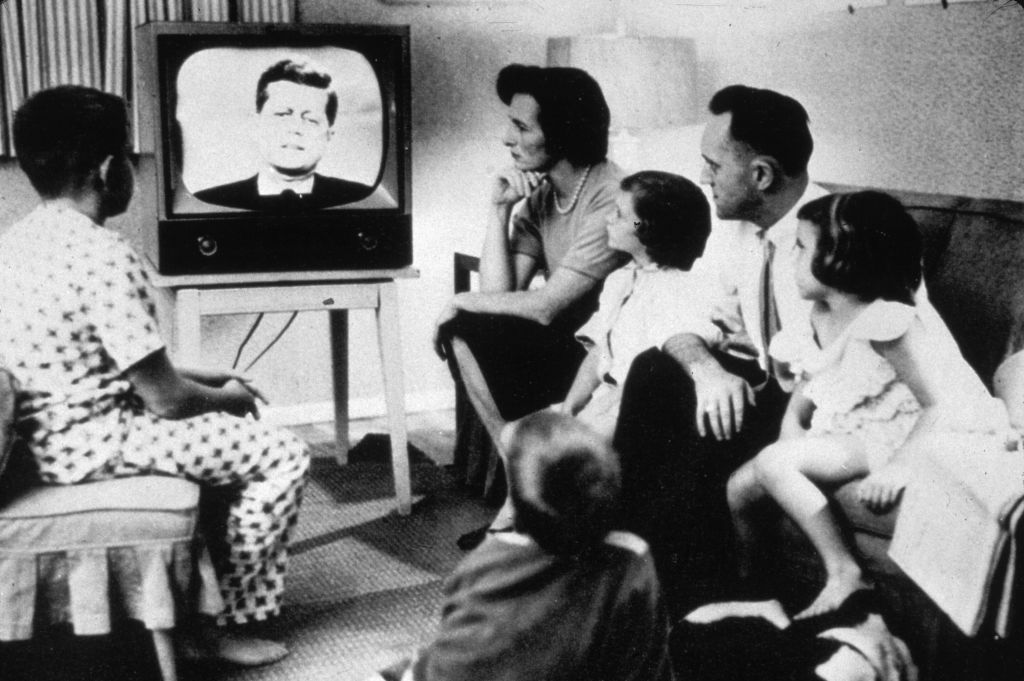
It’s as if those stars of the sixties were born when dinosaurs still roamed the earth. A time before man had arrived to the cosmos. When rock and roll was something completely new, even in America. For my generation, their youth always seemed abstract. They didn’t even have black-and-white television when they were born!
I once met with the Icelandic scientist Kari Stefansson, who reminded me that when he was born in 1949, there were still houses in Reykjavik that had sod roofs. Maybe it was something like my generation’s internet-free childhood. It’s hard to describe it to the teenagers of today. They understand, theoretically, that once upon a time, there was was no internet, but it’s still hard for them to fully imagine how it could be possible.
But yesterday’s youths are now turning 60. Björk, Keanu, Brad, Johnny. For those of us getting closer to 50, like myself, it’s somehow refreshing. Because today’s 60 year olds are so active. They are planning new movies and putting out new albums that are full of new and fresh ideas.
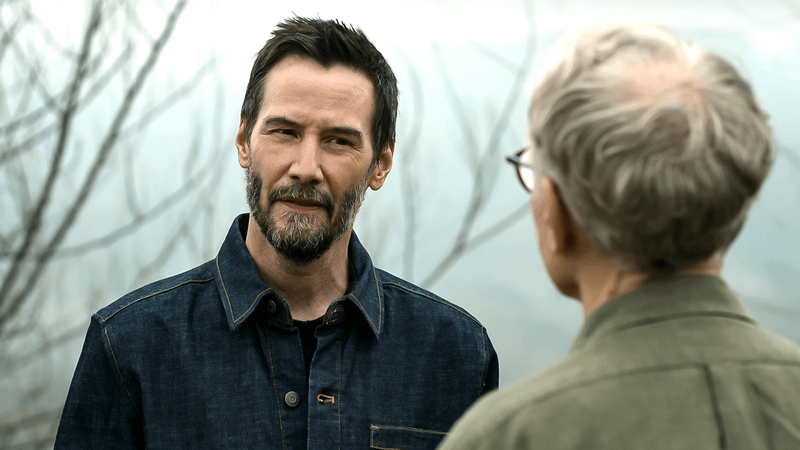
I recently watched the Netflix series Ancient Apocalypse, which tells of various theories of history. And there he was, Keanu Reeves, a special guest. He’s not some slouching old geezer. Quite the opposite, he appears to be in excellent shape. I thought, “I would like to be like that when I turn 61. Alive, in good shape, open to the world. Curious, smart, creative. And hopefully still not bald.”
According to the Cult of Youth, youth is the sweetest part of a person’s life. When we get old, we’re supposed to sit around a table and talk about our youths. And nothing else interesting happens to us. But from our cultural idols like Keanu, Björk, and Brad, I have learned that age doesn’t actually mean very much. They just keep busy, no matter what year it is or how old they happen to be.
I’ve started to feel the same way. I don’t want to carry too much weight on my shoulders. I want to move forward. I have also seen how some people get to a certain level in life and then just stay there. They don’t move an inch forward. They sit there, watching TV or scrolling on their phones. And nothing changes. Time stands still. It’s as if their lives are already over, even if they still have to sit there, peacefully, for another 10 or 30 years.
Because of that, I am grateful to the current cadre, the ones born in the golden sixties, who are showing me and others the way forward, so that we also don’t get tangled up in the years.
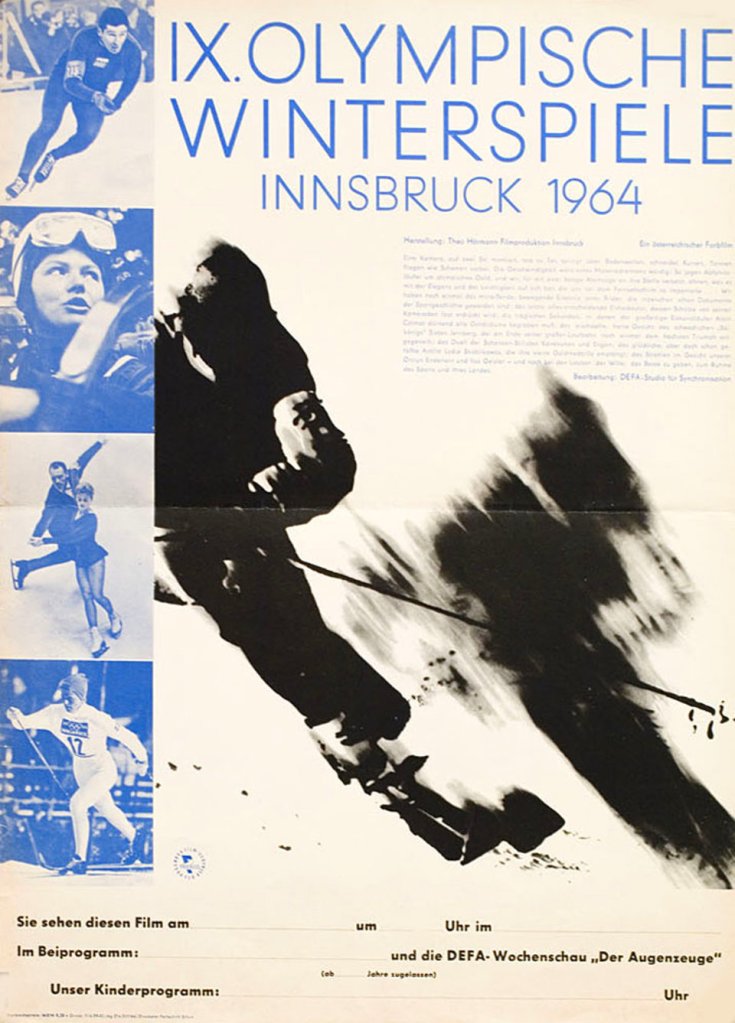
Of course, I do look back now and then. Not with nostalgia, but to understand how we all got here. I recently wrote a novel, which still has not been published, which takes place in part in the summer of 1965 in Estonia, Finland, and Sweden. When I started writing it, I thought it would be easy. I would just have to remember my childhood from around the year 1985 and subtract 20 years. But soon I learned how different things really were. You had to wait in line at payphones, the television only showed a few channels. I thought how strange that world looked from the vantage point of today. And I didn’t really understand how things worked.
I discussed it with esteemed writer Jaak Jõerüüt. He finally got tired of my questions and advised me not to even try. “Imagine that you’ve never seen water, and then I take you to the bottom of the ocean in a submarine,” said Jaak. “Then you might understand what it would be like for you to step back into Soviet Estonia in the summer of 1965.” Jaak should know. He was 17. “You should write it as you imagine it was,” Jaak continued. “That would be far more genuine.”
You can still explore the material world of that time at the Vabamu museum in Tallinn or in leafing through old newspapers. To be honest, when I first stepped foot in Estonia in 2003, there were plenty of places that hadn’t been renovated since the 1960s. Imagining the inner worlds of people is something else. What was on their minds? What were their hopes?
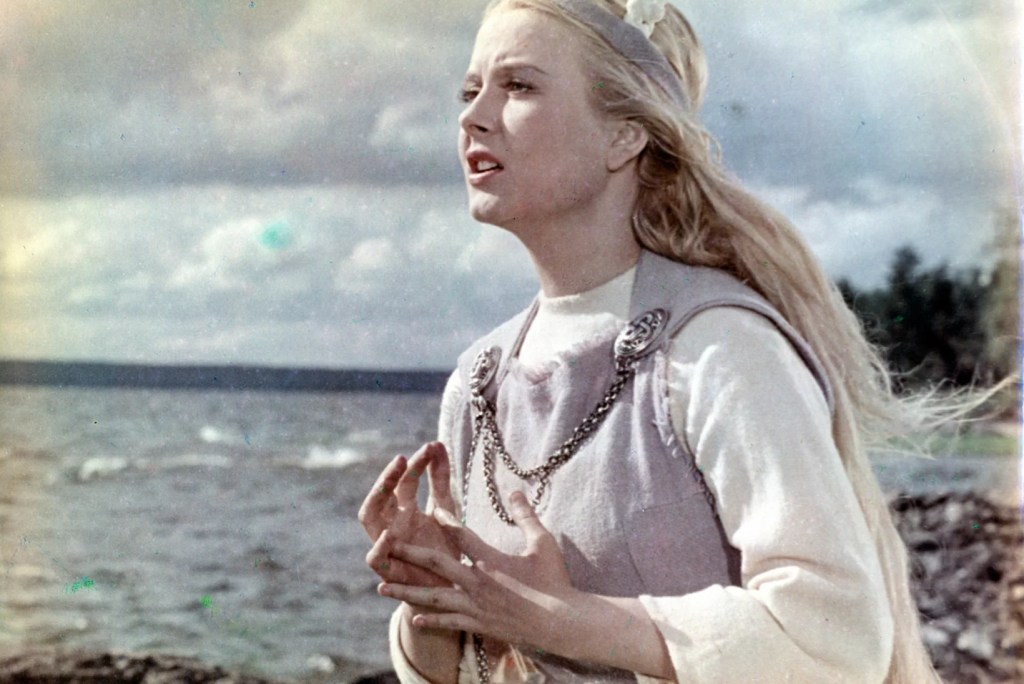
I understood during the project that the young generation of 1965, those who were 25 that summer, had seen the Second World War as children. They had lived through the deportations of 1941 and 1949. They remembered the death of Stalin. They had seen so much in those first 25 years of life, that it’s hard to compare their youths with another generation. The generation of Estonian stars like Ada Lundver or Eve Kivi was very different in terms of values and outlook.
I think the 1960s are remembered as being golden today because of what had happened before the 1960s, which was so terrible, severe, and ugly. It seems to me that the breath of relief that was first exhaled by the youth of the 1960s is still blowing around the world to this day.
Unfortunately, there are fewer of those young 25 year olds from the summer of ’65 each day. If a few of them could stay a while longer, that would be nice. Then we could hear more of their stories. How the poet Paul-Eerik Rummo was once a young superstar, or how before ETV there was something called TTS, or Tallinna Televisioonistuudio. Which I only know from writing my book. That was a time when everything was different, way back when in the golden sixties.
Who is Justin Petrone?
Justin Petrone (46) has lived in Estonia for a long time. He was born in New York and studied journalism and European politics in Washington and Copenhagen. He came to Tallinn in the summer of 2002, when he was still just 22. He was married to the writer Epp Saluveer from 2003 until 2016 and they have three daughters Marta (born in 2003), Anna (born in 2007), and Maria (born in 2011). He has written, at last count, 11 books and his stories have appeared in the publications, Edasi, Eesti Ekspress, Postimees Arter, Anne ja Stiil, Tervis Pluss, Hingele Pai. He works as a journalist and plays bass guitar in different groups. He has lived in Viljandi, the city of cafes, since spring 2017 and is writing there now as you read this.
An Estonian language version of this article appeared in the January 2026 edition of the magazine 60+, which is intended for older readers.
 north!